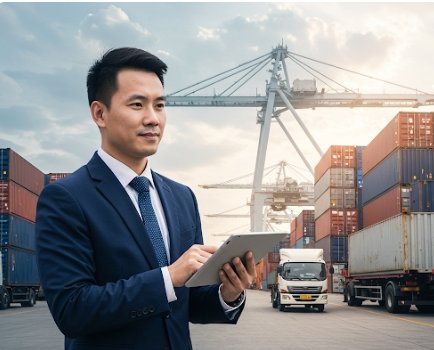
Container shifting fees and container unloading fees are frequent additional charges at the destination port, primarily caused by cargo movement and container inspection. Proper planning and compliant operations can effectively avoid these fees.
Weefreight will provide you with detailed explanations below, hoping to be helpful to you.
I. Container Shifting Fees: Scenarios and Avoidance
Scenarios:
Terminal stacking adjustments: Containers are poorly positioned (e.g., at the bottom or inner side of the stack), requiring other containers to be moved during pickup, resulting in container shifting fees.
Transshipment: Cargo requires transshipment, and restacking during loading and unloading at the transshipment port leads to container shifting.
Repositioning after inspection: After customs inspection, the container is not returned to its original position promptly, requiring secondary shifting.
Port operation adjustments: Port congestion and schedule changes lead to temporary adjustments in container stacking positions.
Avoidance Methods:
Prioritize direct shipping: Reduce transshipment links to avoid transshipment-related container shifting from the source.
Apply for priority stacking: Communicate with your freight forwarder before shipment to apply for priority stacking at the destination port (e.g., near the terminal entrance, upper level) to reduce the probability of container shifting.
Prompt pickup: Clear customs and pick up the goods as soon as they arrive at the port to avoid long-term storage leading to terminal repositioning.
Standardized declaration: Ensure accurate customs declaration documents to reduce the probability of inspection and avoid container shifting after inspection.
II. Container Unloading Fees: Scenarios and Avoidance
Scenarios:
Customs inspection: Manual/machine inspection requires opening the container and unloading the goods for verification, resulting in container unloading and loading labor costs.
Abnormal customs clearance at the destination port: Discrepancies in documents or inaccurate declaration of cargo value lead to customs requiring container opening for verification. Goods Issues: Damaged packaging, unclear markings, and discrepancies between goods and declared information require unpacking for verification.
Consignee Inspection: The consignee requests unpacking for inspection, and unauthorized unpacking without customs permission incurs additional costs.
Avoidance Methods:
Accurate Declaration: Ensure that the product name, quantity, value, and HS code match the actual goods to avoid triggering inspections due to inaccurate declarations.
Complete Documentation: Prepare all customs clearance documents in advance (invoice, packing list, bill of lading, certificate of origin, etc.), ensuring consistency between documents and goods.
Standardized Packaging: Ensure that the goods are properly packaged, with clear markings, and meet the requirements of the destination port to reduce the need for unpacking and inspection.
Avoid Unauthorized Inspection: Consignee inspections should be conducted through customs or an agent, following proper procedures, and avoiding unauthorized unpacking.
III. General Avoidance Techniques (Reducing Two Types of Costs)
Choose High-Quality Freight Forwarders and Shipping Companies: Prioritize service providers with standardized operations and strong agents at the destination port, and communicate potential cost risks in advance.
Understand Destination Port Policies in Advance: Different ports have different policies regarding storage and inspection; plan customs clearance and delivery times accordingly.
Purchase Relevant Insurance: Purchase marine cargo insurance; some insurance policies may cover additional costs incurred due to inspection and storage.
Clearly Define Costs in the Contract: Specify which party is responsible for abnormal costs in the trade contract to avoid future disputes.
(Note: The above information regarding timeliness or costs is for reference only. Please refer to the actual situation during shipment for specific details. Thank you!)
If you have any international logistics service needs, please click on the floating chat icon in the lower right corner or other contact methods on the lower right of the page to contact us immediately!